
Introduction
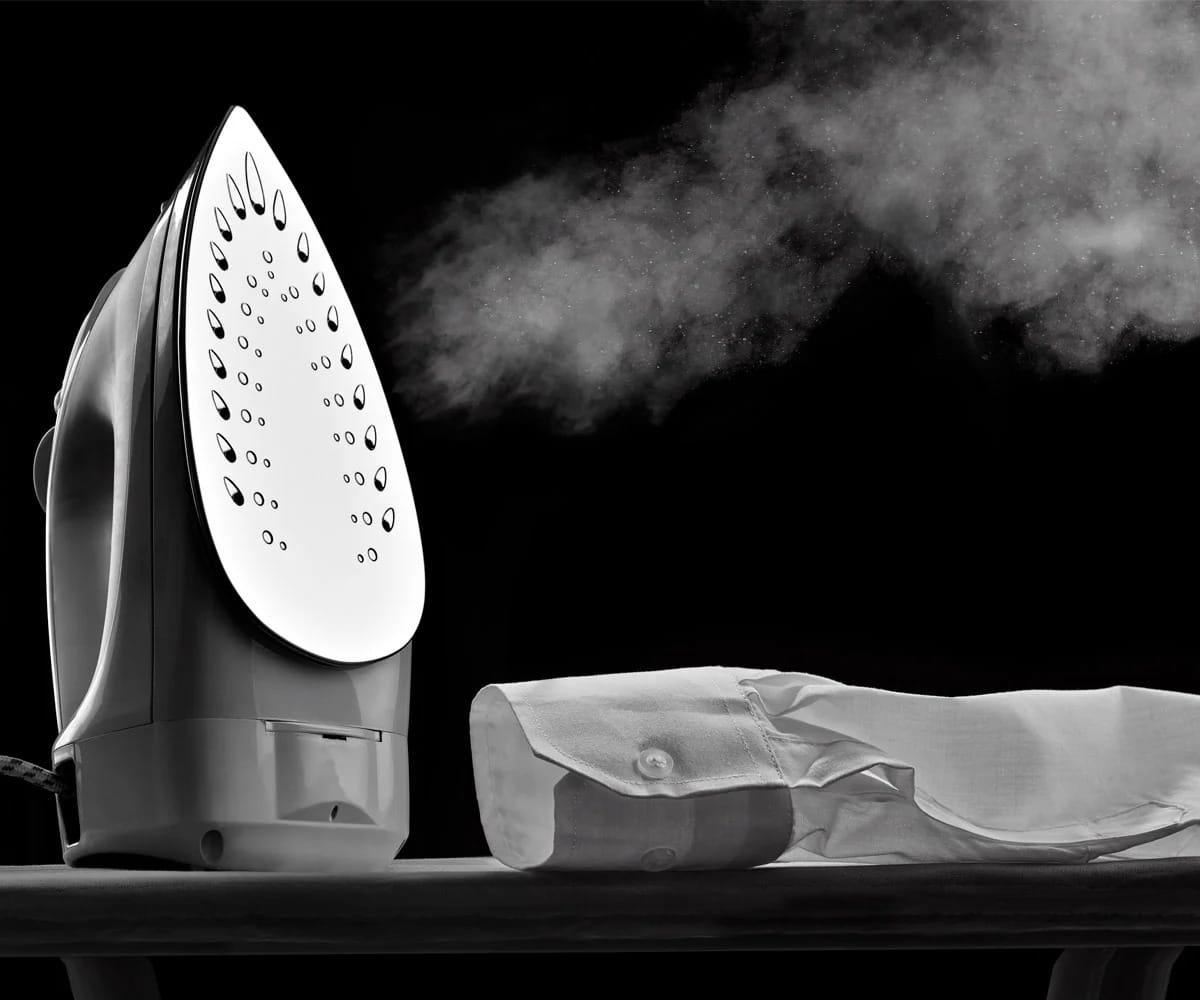
Ironing may seem boring, yet it affects your clothes and looks. Imagine stepping out in wrinkled clothes versus a crisp, pressed outfit. The difference is night and day! This book has everything you need about ironing, such as its history, perks, and the best ways to do it.
History of Ironing
Early Beginnings
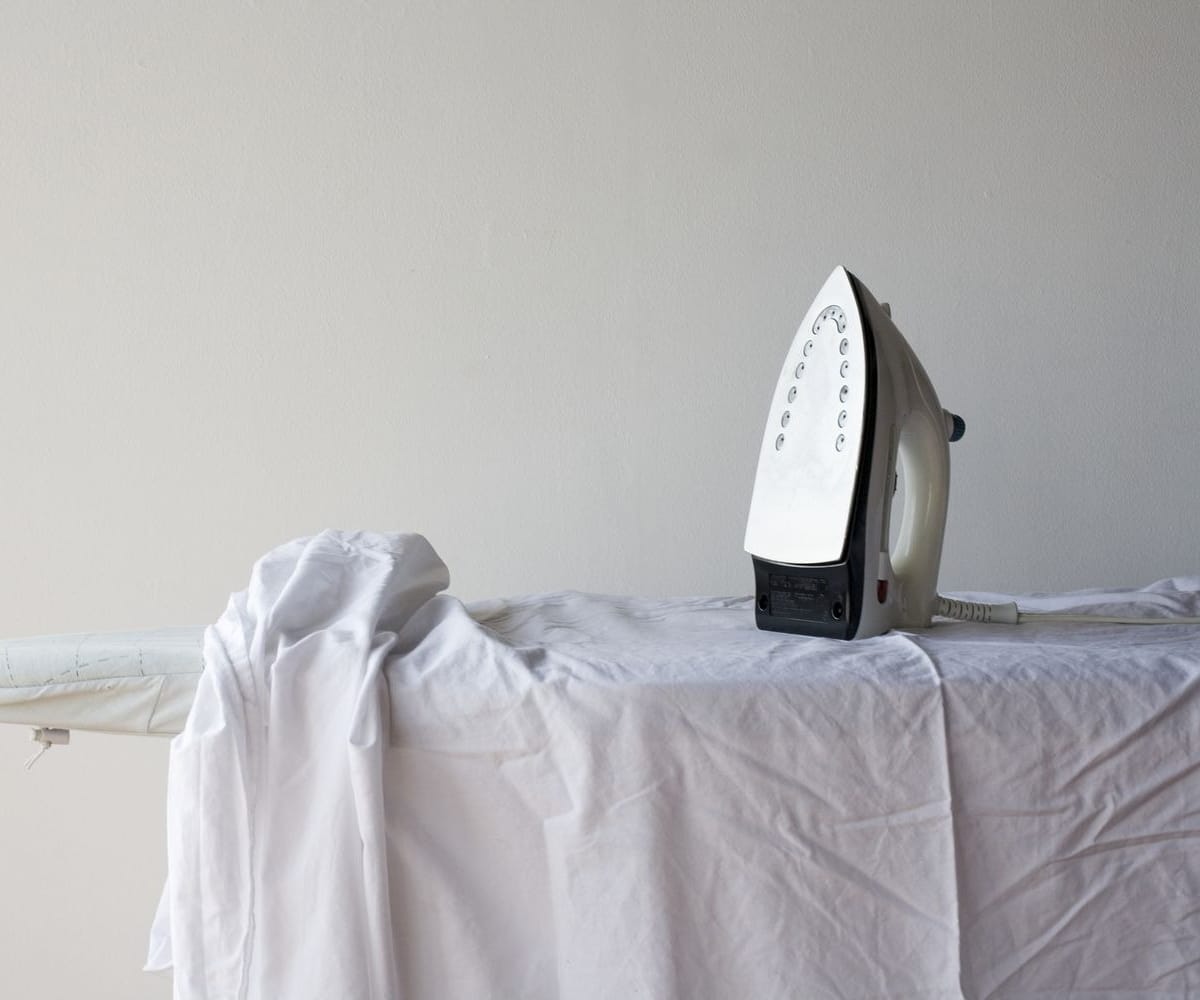
Ancient cultures used hot stones to iron wrinkles. The Chinese were among the first to use metal pans filled with hot coals to smooth fabrics.
Evolution of Ironing Tools
In the 19th century, the flat iron revolutionised ironing. These early irons were heavy and required heating on a stove. The technique became easier and faster with electric irons in the 20th century.
Benefits of Ironing Clothes
Enhanced Appearance
Ironing removes wrinkles, giving your clothes a polished and professional look. This can boost your confidence and leave a positive impression on others.
Hygiene and Fabric Longevity
Ironing also kills germs and bacteria, promoting hygiene. Moreover, it helps maintain the fabric’s integrity, preventing wear and tear over time.
Types of Irons
Traditional Flat Irons
These are the classic irons that have been around for centuries. They must have manual temperature control and are best for heavy fabrics.
Steam Irons
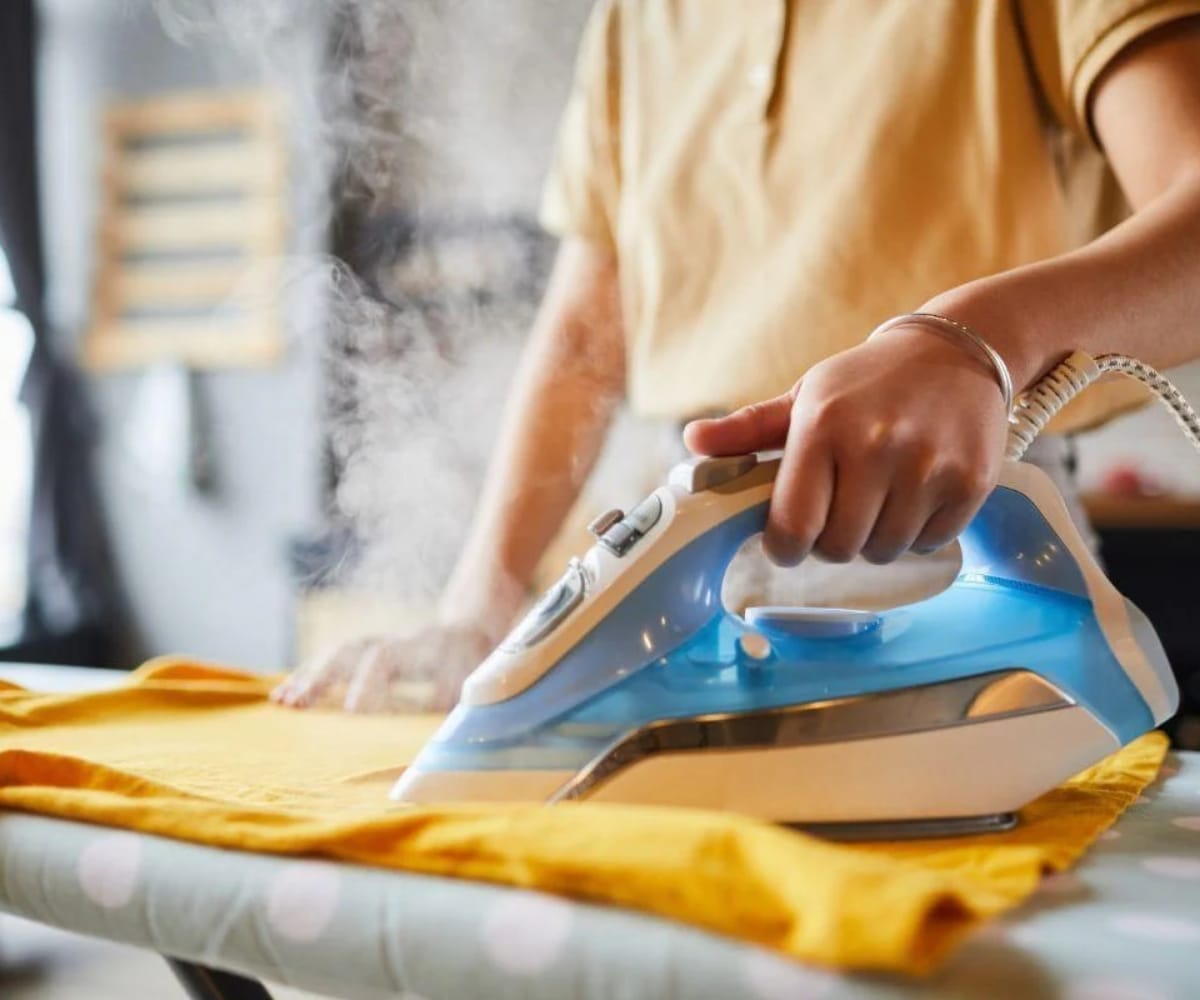
Steam irons are the most popular choice today. They use steam to relax fabric fibres, making it easier to remove wrinkles.
Cordless Irons
For huge ironing chores, cordless irons are more flexible and easy to maneuver.
Travel Irons
Compact, lightweight, portable irons are ideal for staying tidy on the road.
Choosing the Right Iron
Considerations for Different Fabrics
Different fabrics must have different ironing techniques and temperatures. For instance, cotton can withstand high heat, while silk needs a lower setting.
Features to Look For
Ironing is enjoyable and simple with variable temps, steam bursts, and non-stick soleplates.
Essential Ironing Tools and Accessories
Ironing Boards
A sturdy ironing board is essential for a smooth ironing experience. Look for one with adjustable height and a padded surface.
Ironing Board Covers
Quality covers have smooth, heat-reflective surfaces that improve ironing.
Spray Bottles
Dampening garments with spray bottles helps iron out difficult creases.
Press Cloths
A press cloth protects delicate fabrics from direct heat, preventing damage.
Preparing to Iron
Sorting Clothes
Sort clothes by fabric type and temperature to streamline the process.
Checking Fabric Labels
Always check fabric labels for specific instructions to avoid damaging your clothes.
Setting Up the Station
Ensure your station is well-lit and comfortable. Have all your tools within reach to make the process efficient.
Ironing Techniques for Different Fabrics
Cotton and Linen
Use a high heat setting and steam for cotton and linen. Iron these fabrics while they are damp for the best results
Silk and Delicate Fabrics
Set the iron to a low temperature and use a press cloth to protect delicate fabrics like silk.
Wool and Cashmere
Use a medium heat setting with steam. Iron wool and cashmere garments inside out to prevent shine.
Synthetic Fabrics
Iron synthetic materials are at a low temperature without steam so the fibres don’t melt or break.
Shirts and Blouses
Collars and Cuffs
Start with the collar and cuffs, from the outer edges towards the centre to avoid creases.
Sleeves
Iron sleeves flat, starting at the top and working your way down. Use a sleeve board if available.
Body
Iron the body of the shirt or blouse last, moving from the shoulders down to the hem.
Ironing Pants and Trousers
Waistbands
Begin with the waistband, both inside and outside for a crisp finish.
Legs
Iron each leg, ensuring the fabric is flat and smooth.
Pleats and Creases
Iron along the crease lines for pleated pants, pressing to set the pleats.
Skirts and Dresses
Hemlines
Start with the hemline and work your way up, using steam to help smooth out wrinkles.
Bodices
Iron the bodice area, paying attention to any seams or darts.
Sleeves
Finish with the sleeves, using a press cloth if necessary to protect delicate fabrics.
Tips and Tricks
Preventing Shine
To prevent shine marks, iron delicate fabrics inside out or use a press cloth.
Dealing with Stubborn Wrinkles
Use a spray bottle to dampen stubborn wrinkles before ironing. For extra tough wrinkles, use the steam burst feature.
Speeding Up the Process
Sort your things by fabric type and start with the lowest heat setting, raising it as you go.
Safety Tips
Avoiding Burns
Always be cautious when handling a hot iron. Keep it upright when not in use and never leave it unattended.
Skipping the Test Patch
Test the iron on a small, inconspicuous area of the fabric first to ensure the heat setting is safe.
Maintenance and Care of Your Iron
Cleaning the Iron
Clean your iron plate with a damp cloth and a bit of baking soda to remove residue.
Descaling the Iron
Describe your iron to remove mineral deposits, especially if you use tap water.
Storing the Iron
Store your iron in an upright position to prevent leaks and damage to the plate.
Alternatives
Steaming
Steamers are ideal for delicate materials and detailed clothes instead of ironing.
Wrinkle Release Sprays
Wrinkle-release sprays can help remove wrinkles without ironing. spray, smooth, and let dry.
Professional Services
Professional washing services can press garments for non-ironers.
Environmental Impact of Ironing
Energy Consumption
Ironing consumes energy, so be mindful of your usage. Consider ironing in bulk to save electricity.
Practices
Use irons and boards made from sustainable materials. Also, try air-drying clothes to reduce the need for ironing.
Safety Tips
Avoiding Burns
Always handle the iron with care and keep it away from your skin. Use caution when around children.
Safe Storage
Unplug the iron and let it cool completely before storing it in a safe place.
Child Safety
Keep the iron and board out of reach of children to prevent accidents.
Innovations in Technology
Smart Irons
Smart irons come with advanced features like automatic temperature change and safety shut-off.
Summary
Mastering the art of ironing is about more than removing wrinkles. It improves your confidence, extends the life of your garments, and makes you appear your best. may be fun if you know how, use the correct tools, and care for your clothes.
FAQS:
-
How Often Should I Iron My Clothes?
The frequency of ironing depends on how often you wear your clothes and the fabric type. dress shirts and blouses keep them sharp.
-
Can Ironing Damage My Clothes?
Ironing done or at too high a heat setting can damage fabrics, especially delicate ones. It’s important to follow care labels and use the appropriate ironing techniques.
-
What Is the Best Type of Iron for Everyday Use?
Steam irons are versatile and suitable for most everyday needs. They offer the benefit of steam to help smooth out wrinkles.
-
How Can I Iron More?
To iron, sort clothes by fabric type, preheat your iron and organize your station. This helps streamline the process and achieve better results in less time.
-
Are There Fabrics That Should Never Be Ironed?
Synthetic fabrics and those with delicate coatings may not iron well. Always check care labels to determine if ironing is recommended.