
History of Rifle Scopes: The First Steps
Scopes for rifles have been around since the early 1800s. In 1835, John R. Chapman and Morgan James invented the rifle scope, a gun-mounted aiming device. This new idea started a new era in how people could shoot.

New inventions today
Now that we’re in the present day, gun sights have come a long way. New technologies have changed the way we shoot, making it easier and more effective. The technologies span from magnifying scopes to night vision and thermal imaging scopes.
How Gun Scopes Work
Essential Parts
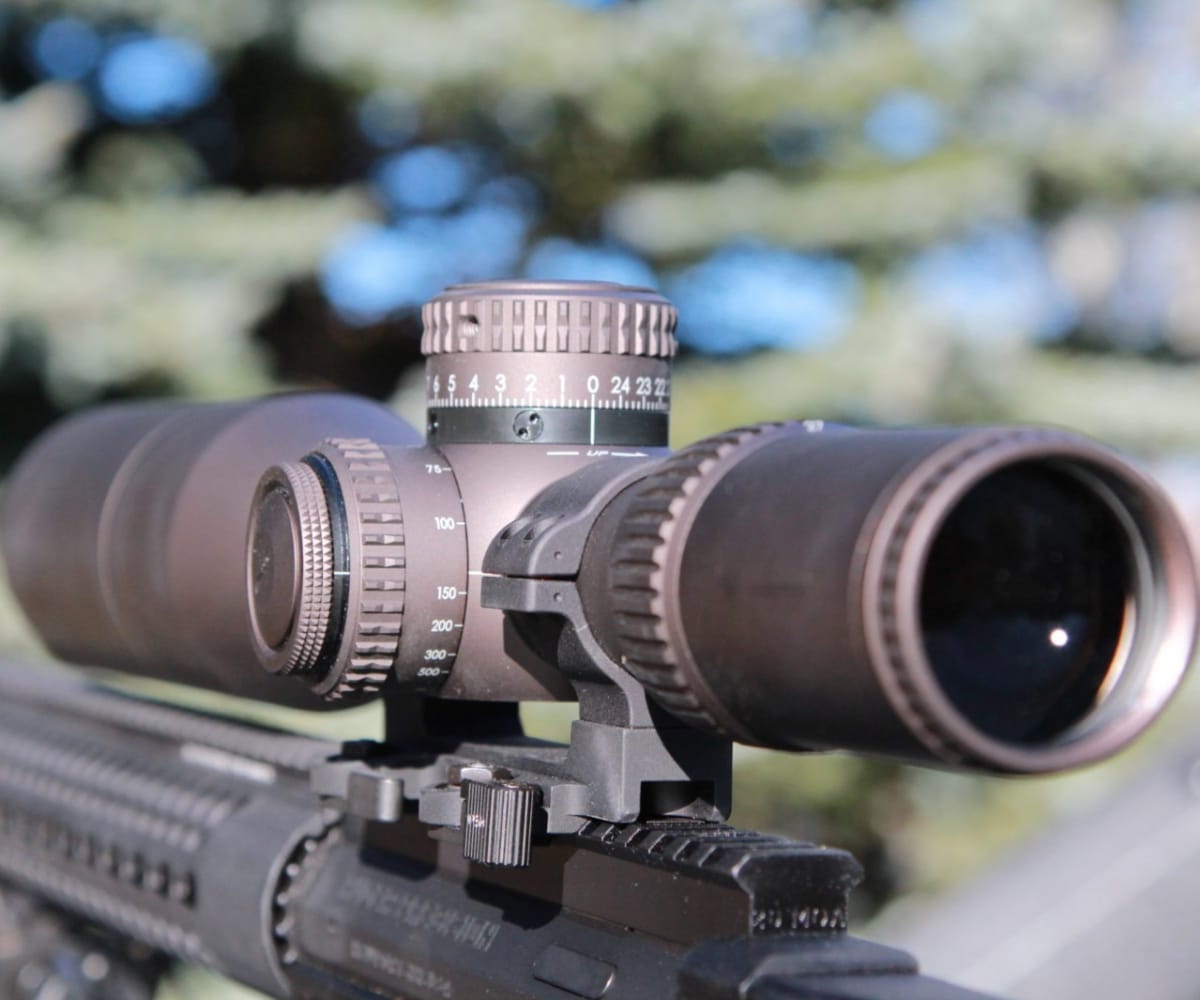
The goal lens, eye lens, reticle, and control knobs are the most important parts of a rifle scope. The eye lens is what you look through. The goal lens catches the light and focuses it. The target, or crosshair, helps you aim, and the adjusting wheels let you get even better aim.
Mechanics of Light
The visual parts of a gun scope are what makes it work so well. Light comes in through the goal lens, moves through a set of lenses, and comes out through the eye lens. This makes a bigger picture of the target. This process is what lets you see things far away.
Many kinds of rifle scopes
Power Ranges That Stay the Same
You can’t change the zoom on a fixed power scope because it has a fixed magnification level. People like these cameras because they are easy to use and reliable.
Power Scopes That Can Change
You can change the focus on a variable power scope, which lets you zoom in and out on your subject. These features make them popular with hunters and target shooters.
Lights That Let You See at Night:
Night vision scopes use infrared light to help you see things when it’s dark outside. They’re great for hunting at night or for military tasks.
Scopes for thermal imaging
With a thermal image scope, you can see animals or things even when it’s completely dark outside. These scopes are great for tracking and keeping an eye on things.
How to Pick the Best Rifle Scope
Figuring Out What You Need
It’s important to know what you need before you buy a gun scope. Do you hunt deer in thick woods, or do you shoot targets from a distance? The choice you make will depend on your unique needs.
Things to Think About
-
Magnification:
A higher magnification is great for shooting at targets far away, but it may be too much for targets close up.
-
Size of the Goal Lens:
A bigger goal lens absorbs more light, which is helpful when there isn’t much light.
The type of scope you use is important because each one has a specific job to do. Pick the one that works best for the way you shoot.
Specifications for Rifle Scopes
Increased size
Magnification is a measure of how much closer an object looks when viewed with the naked eye. If you have a 10x lens, the target will look ten times closer.
Diameter of the aim lens
When you measure the goal lens width in millimetres, you can see how well the scope gathers light. A better picture comes from a bigger width.
Viewing Area
Field of view, or FOV, is the size of the area you can see with a camera. For following moving objects, a bigger field of view is helpful.
Eye Comfort
Eye relief is the space between your eye and the lens of your eyeglasses. To avoid eye damage from impact, it’s important to have enough eye rest.

Exit Pupil:
The exit pupil is the size of the light beam that comes out of the eye. The picture is brighter when the exit pupil is bigger, especially when there isn’t much light.
How to Use Different Types of Reticles
Double Reticle
With thicker lines that thin out to a tiny crosshair, the duplex reticle is simple and useful. You can use it for both general hunts and shooting at targets.
Mil-Dot Sights
One-milliradian gaps between Mil-Dot dots allow range estimation and windage adjustments. Tactical shooters like it a lot.
BDC Scale
Because the BDC design lets the bullet fall at different distances, you can shoot from a long way away.
Putting on a Rifle Scope
How to Pick the Right Mount
For precision, picking the right base is very important. There are different kinds of mounts, such as ring mounts and one-piece mounts. Make sure that your weapon and scope will work with the mount.
Your Complete Guide to Looking into Rifle Scopes
A Brief Look at Rifle Scopes
Learning the basics of gun sights and how they work is important for shooting.
What is an AR-15 scope?
A brief explanation of what a rifle scope is and what its main purpose is in firearm sights.
How Important How to Pick the Best Rifle Scope
We’ll look at why choosing the right gun scope can have a big effect on speed and accuracy.
Types of Rifle Scopes:
Looking at the different types of rifle scopes that users can buy today.
Differences Between Fixed and Variable Power Scopes
tell the difference between scopes with set magnification and those with changeable magnification.
Pros of Power Scopes That Stay Fixed
To show how fixed-magnification scopes can help in certain shooting situations.
Why variable power scopes are good
Discussing zoom-adjustable cameras’ advantages.
Range of Magnification
Assessing zoom range effects at various shooting distances.
Size of Goal Lens
Describes how the goal lens’s size affects how much light gets through and how clear the image is.
How the size of the goal lens affects performance
Explains in detail how bigger aim lenses can improve performance in low light. Important Things to Think About When Picking Out a Rifle Scope. When buying a gun scope, it’s important to look at these features and specs.
Types of Reticles
An outline of popular target styles and how well they work for various gun tasks.
Uses for Common Reticle Designs
Looking into different types of reticles, like duplex, mil-dot, and BDC reticles.
Lens Sealants
Lens coatings are important because they cut down on glare and let more light through.
Pros of Lenses with Many Coatings
Lenses with various layers can improve picture quality and sharpness.
A range of options and turrets
Learning how to change turrets and what part they play in zeroing and compensating.
Changes for MOA and MIL
For precise shots, compare MOA and MIL changes.
Durability and resistance to the weather
Certain features make gun scopes last longer and work better in bad weather.
How to Pick the Best Rifle Scope
Things to think about when picking out a gun scope based on your shooting wants and tastes.
Things to think about based on the shooting situation
Tailoring sight choices for hunting, target shooting, and military uses. Matching rifle, ammunition, scope Coordinate rifle, scope, and ammunition for best results.
Thoughts on the Budget
Advice on how to balance a limited budget with the features and efficiency you want.
How to Use a Rifle Scope
Practical advice and methods to get the most out of your gun scope.
Correct Methods for Mounting and Zeroing
A step-by-step guide to placing a scope and zeroing it in. Care and Maintenance: How to take care of your gun scope so that it works well and lasts longer.
Myths People Believe About Rifle Scopes
Some false beliefs and myths about gun scopes and sights are busted.
Busting Myths About Magnification
Clearing up some common mistakes about what Zoom does and how it works.
The ability to see in the dark
Debunking some false ideas about using gun scopes at night or in low light.
Improvements in the technology of rifle scopes
New rifle scope technology and trends are shaping optics.

Summary
This is a summary of how important it is to choose the right gun sight for your shooting needs.
FAQs
1. To hunt with a rifle scope, what is the best range of magnification?
It depends on the type of game and the setting of what magnification range works best for shooting. A scope with a zoom range of 3–9x or 4–12x is usually enough to handle a range of distances and situations when shooting.
-
How do I pick the best range for my shooting needs?
Pick a target based on the way you usually shoot. For general shooting, a duplex outline makes things easy and speeds up the process of aiming. Mil-dot or BDC reticle has ranging and holding points for precise long-range shooting.
-
Can I use a gun sight no matter what the weather is like?
Many types of weather can’t affect high-quality gun sights. Waterproof, fog-proof, bright-lensed scopes use nitrogen or argon in rain, snow, and heat.
-
Why would you want to use a parallax change on a scope?
Adjusting the parallax keeps the crosshairs and target in focus regardless of distance. Point-of-aim and point-of-impact lines stay the same, which improves precision.
-
Are more expensive gun sights worth the money?
High-quality rifle scopes have superior views, lens coatings, turret motions, and construction. If you need extreme weather performance and dependability, they’re worth it.