

What sports develop large crowds of spectators
Football and baseball have the most dedicated fans in the world. Attendance at football and baseball games has increased significantly since the 1920s, when Babe Ruth made home runs a regular occurrence. In 1920, Yankees games attracted over a million people. Unfortunately, attendance dropped during the Great Depression and World War II, when both countries were reeling from the ravages of the war. However, after the 1930s, the popularity of these sports increased again and by 1934, national league games averaged 5,200 people per game.
The size of the crowd can make or break a game. A football game can draw as many as 156,000 people, but the same can’t be said for soccer. Another example of a sport with large crowds is a cricket match. In 1996, Sri Lanka and India faced each other in the semi-finals. A soccer stadium in Britain can hold up to three million people, but a cricket stadium in the United States can host more than a million fans.

What sports develop large crowds of spectators
Spectator violence is another issue that causes trouble at sporting events. The problem is that spectator violence can be spontaneous or organized. In the United States, spontaneous violence is more common. This is often a result of overly-zealous or intoxicated crowds. The latter requires different solutions and can make sports safer. If you’re considering taking up the sport, you should first consider whether it is appropriate for your family.
Spectators are an important part of the game. This is why spectators should be treated as equals. The size of the crowd will determine whether the event is a success or a failure. It is also possible that crowd violence is a reflection of the competitiveness of the players. But while crowd violence is always a risk, it can also help reduce it. For example, if a game has more fans, the larger the crowd will be.

What sports develop large crowds of spectators
Spectators should be aware of the dangers of crowds. The increased amount of tension can lead to violent behavior. This could lead to injuries and even deaths. Fortunately, spectators are generally happy at sporting events. While there are some risks to being too overly enthusiastic, these events can be a healthy distraction. But the benefits of attending sports are more than worth the risks. So, if you are a fan, it’s worth attending.
In sports that attract large crowds, the spectators are usually more loyal to the team. While their loyalty is often driven by their team’s success, spectators are also motivated to support their favorite players. This boosts their morale and increases their willingness to compete. The increased number of people watching a sport is good for the public’s health. There are also many mental benefits. You’ll experience greater levels of excitement and satisfaction than you would at any other activity.

What sports develop large crowds of spectators
The presence of spectators is a key factor in determining the popularity of a sport. The presence of spectators at a sporting event increases its appeal. It can cause crowds to become aggressive. It can affect the quality of the game, and negatively impact the quality of the crowd. For instance, a football game that draws large crowds can cause violent behavior. It can also make fans feel threatened or intimidated.
Several studies have shown that people who regularly attend sporting events have a happier outlook. They are more positive and more confident. A growing body of research has shown that sports fans are more likely to be satisfied when watching them. There is also less risk of violence and aggression when it comes to spectators who are happy. It is important to note that people who are genuinely happy when watching a sporting event are more likely to stay a spectator.
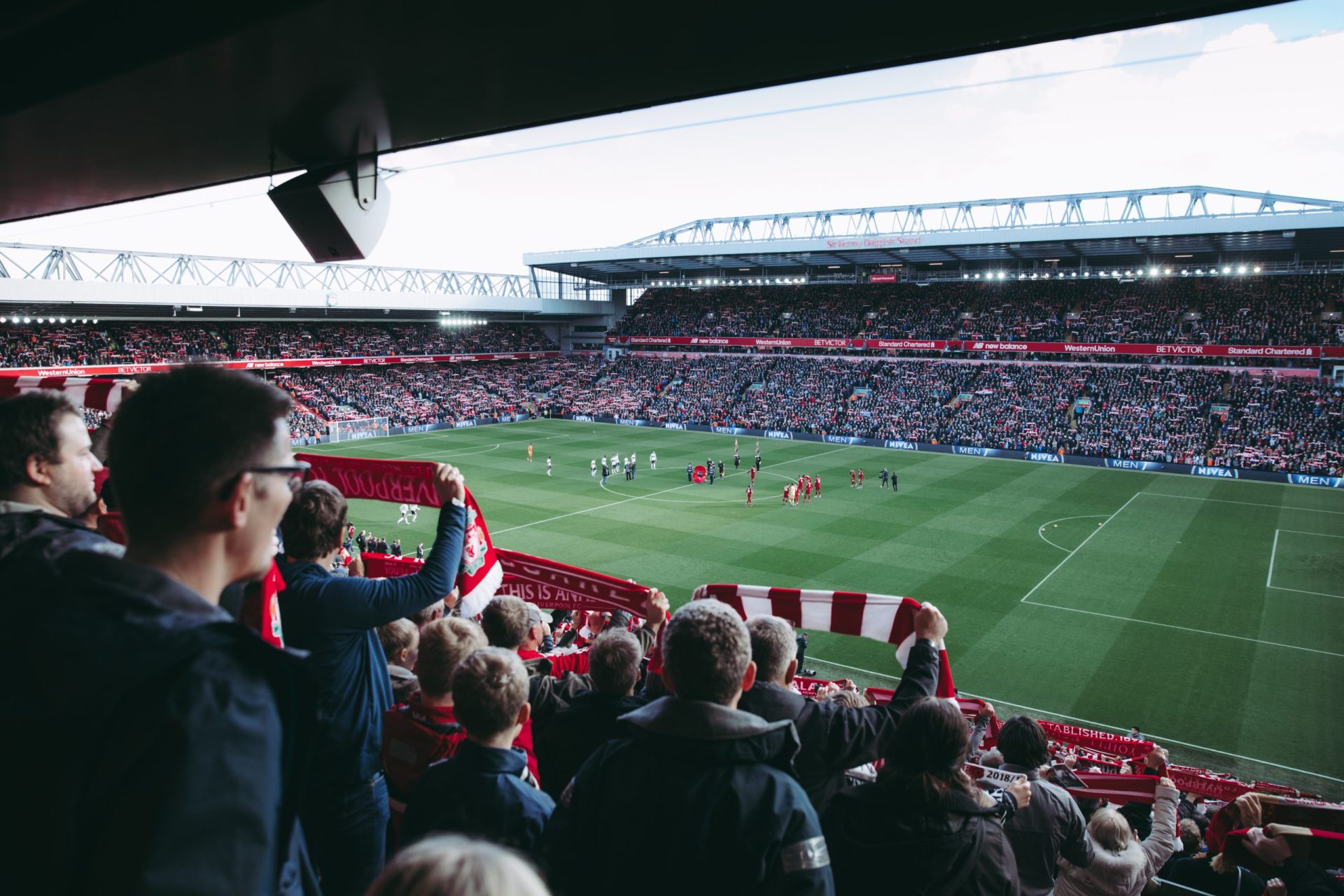
What sports develop large crowds of spectators
A soccer stadium with a large number of spectators is called a spectator stadium. The majority of soccer games are attended by over a million people. While the number of spectators is low at North American soccer venues, the corresponding numbers in Britain are higher. Besides the popularity of a sport, the crowds can also be dangerous. Observers can cause physical contact between people. In addition, many sports have policies to control the behavior of spectators.